Kitchen & table goods for daily use
Made to be used.
Plates you stack, glasses you fill, boards you cut on. Every piece lists its full specification — what it is made of, what it weighs, how to care for it, and what it is not for. No adjectives doing the work of a measurement.
The specification
Most shops tell you an object is beautiful. We would rather tell you it weighs 690 grams, that the glaze varies a little between pieces, and that it will crack if you put it in an oven. You can decide about beautiful yourself.
What it is made of
Stated to the material and the process — 'stoneware, fired to 1260°C, fully vitrified', not 'ceramic'.
What it measures
Dimensions, capacity and weight on every piece. The most common return on a home-goods site is an object arriving a different size than imagined.
What it is not for
The line most shops leave out. Not oven safe. Not for hot liquids. Not freezer safe. Better read now than discovered later.
By category
Plates & Bowls
Sage-glazed stoneware and white porcelain for eating off every day. Heavy enough to hold heat, plain enough to disappear under food, made to stack.
Glasses & Mugs
Hand-blown glass and thick-walled sage stoneware for water, wine and coffee. Small differences between pieces come with hand-work — expect them.
Oven-to-Table
Oven-safe sage stoneware that goes from the oven straight to the table — bakers, gratins, a pie dish, a lidded casserole. Built to take real heat.
Boards & Prep
Oak boards, nesting bowls and the vessels you actually cook with. Finished with hardwearing oil, not lacquer.
Flatware & Tools
Stainless cutlery and oak-handled tools with real weight in the hand, sold so you can replace one piece rather than a whole set.
Pantry & Storage
Canister sets, spice jars, a bread crock, cellars and mills for the things kept on the counter. Sealed where it matters, plain everywhere else.
Table Linen
Washed European flax. Napkins and placemats that soften with each wash rather than wearing out.
Sets & Gifting
Assembled groupings, priced below the sum of their parts. Every set lists exactly what is inside it.
A place to start
The pieces we would put on our own table first.
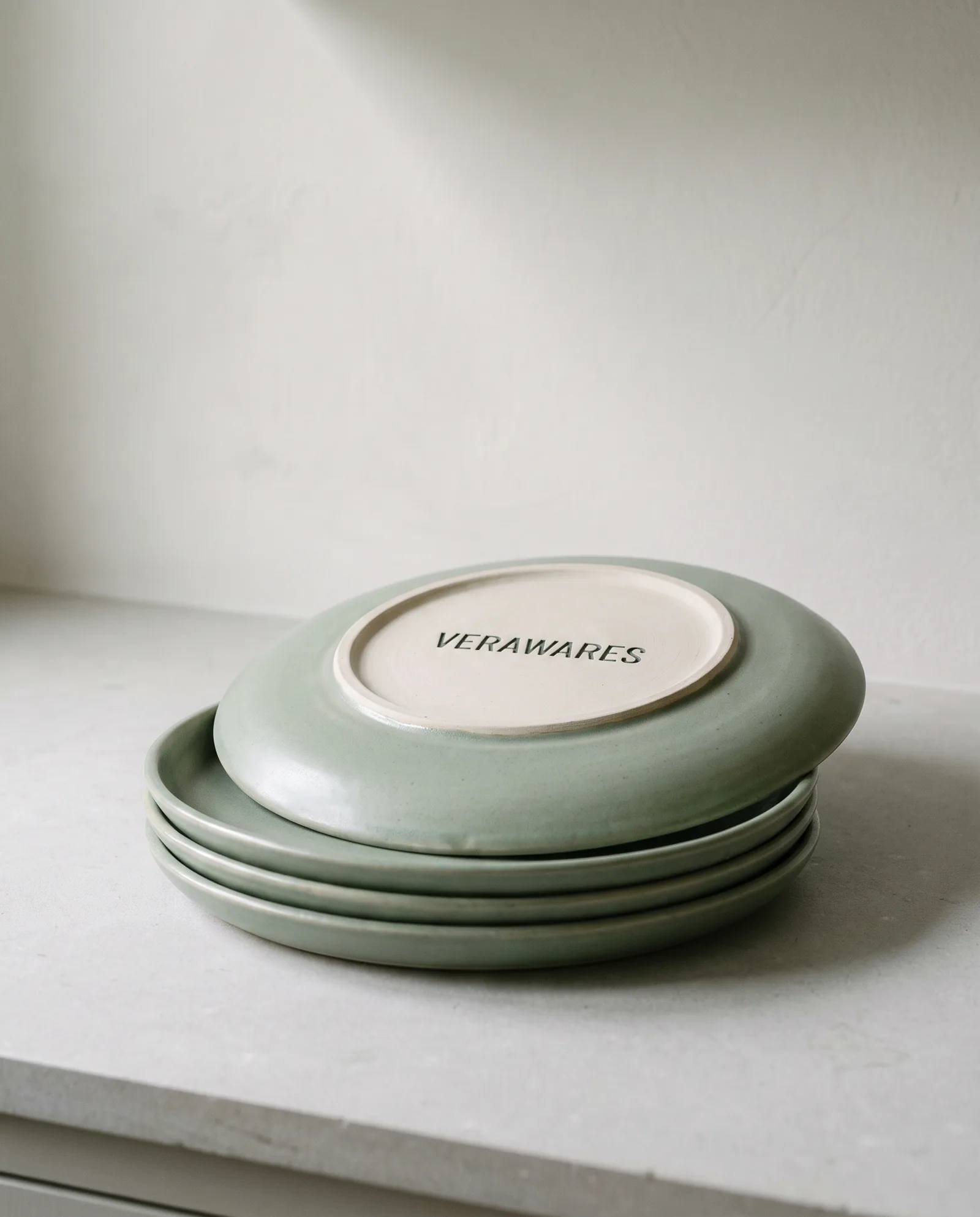
Dinner Plate
27 cm sage-glazed stoneware dinner plate, made to stack
$32.00
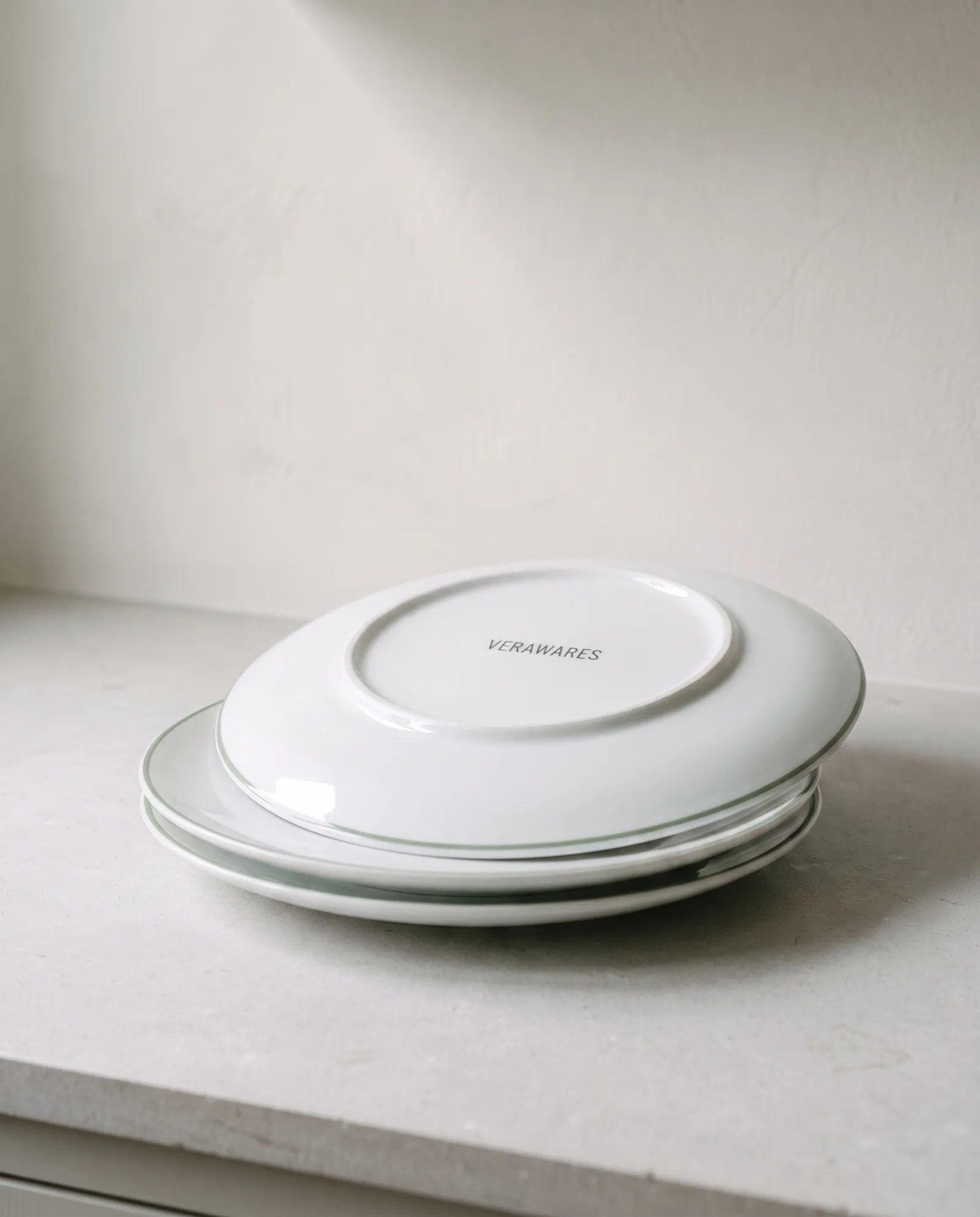
Porcelain Dinner Plate
28 cm fine white porcelain plate with a sage rim line
$36.00
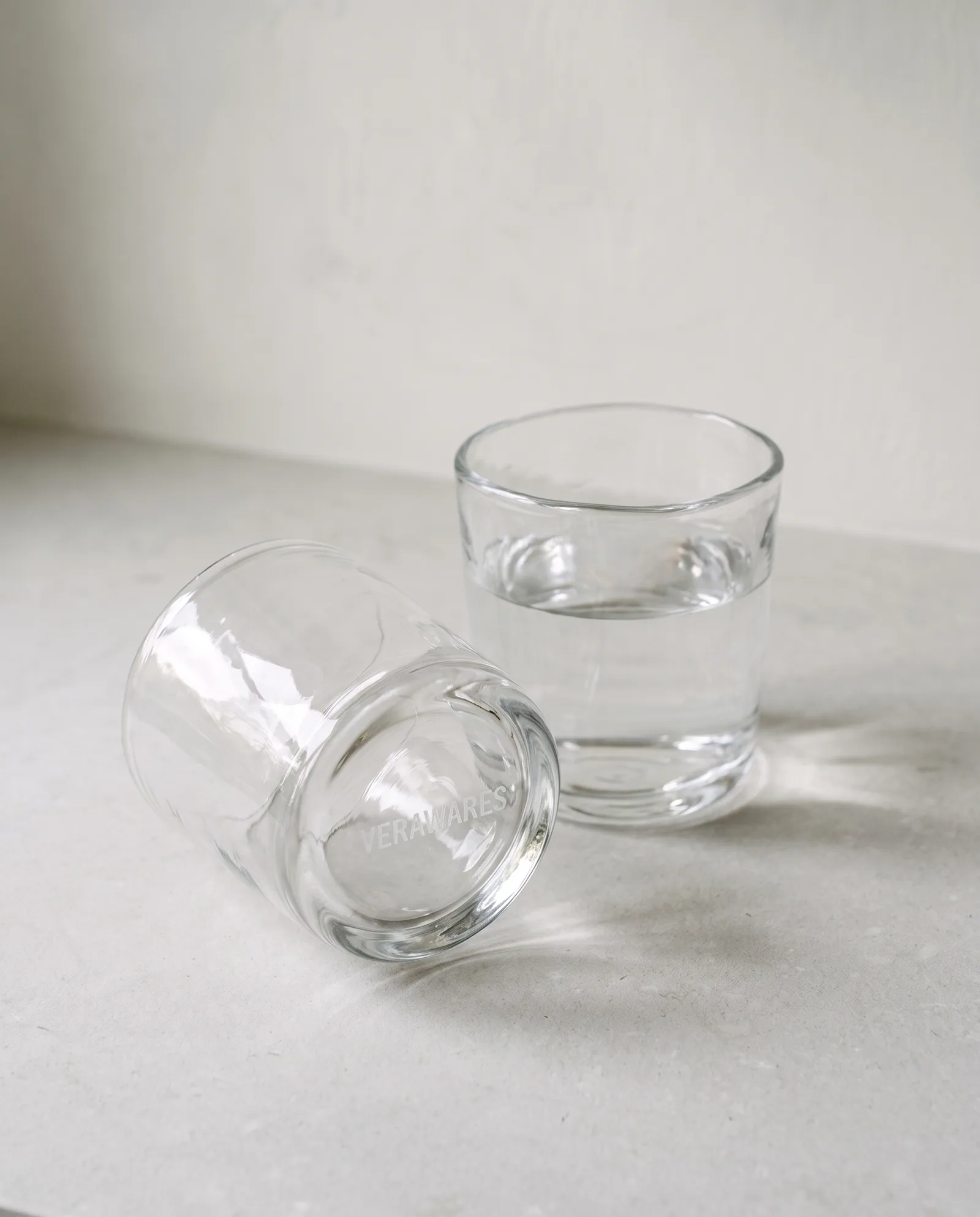
Water Tumbler
350 ml hand-blown glass tumbler
$16.00
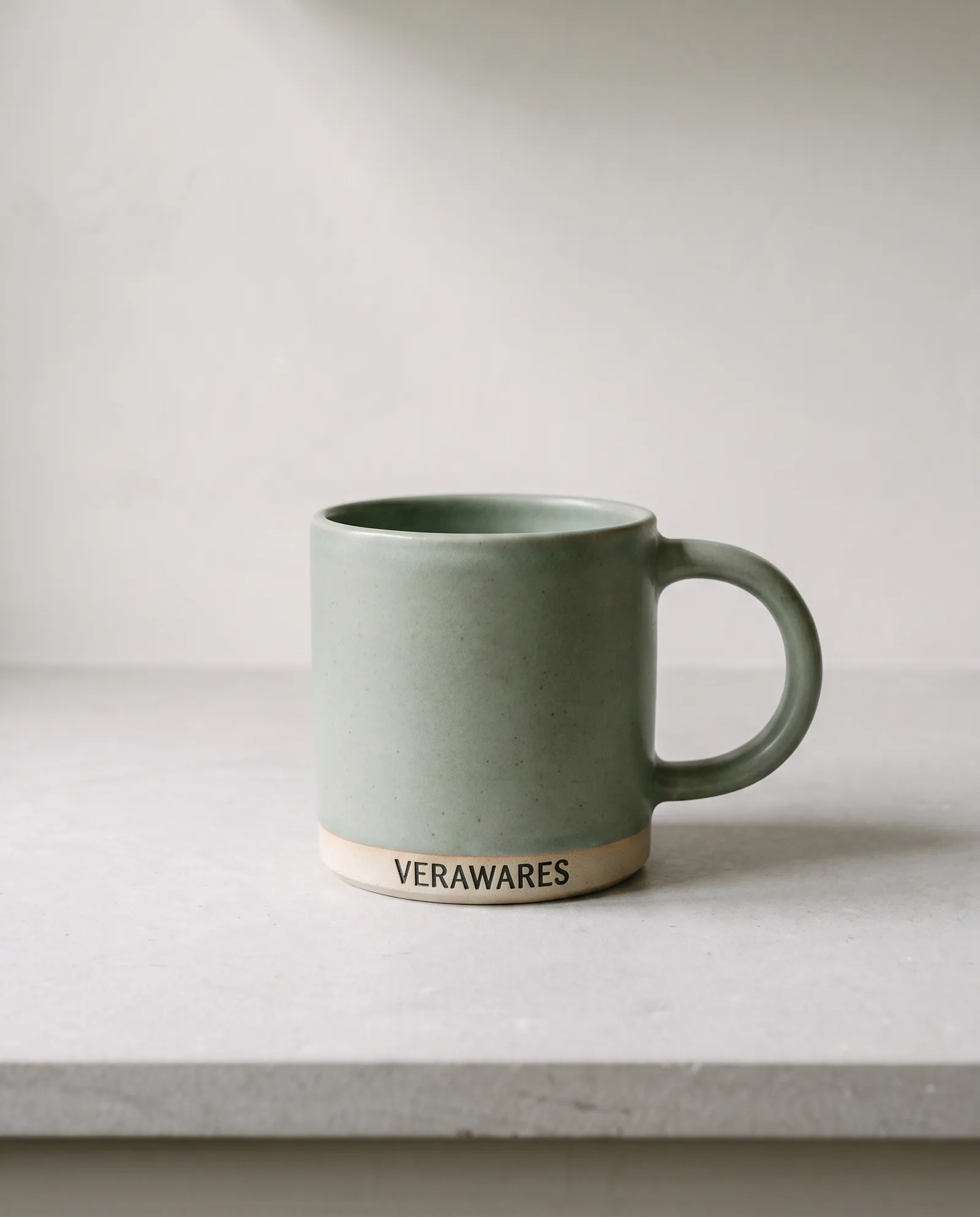
Coffee Mug
350 ml sage-glazed stoneware mug
$24.00
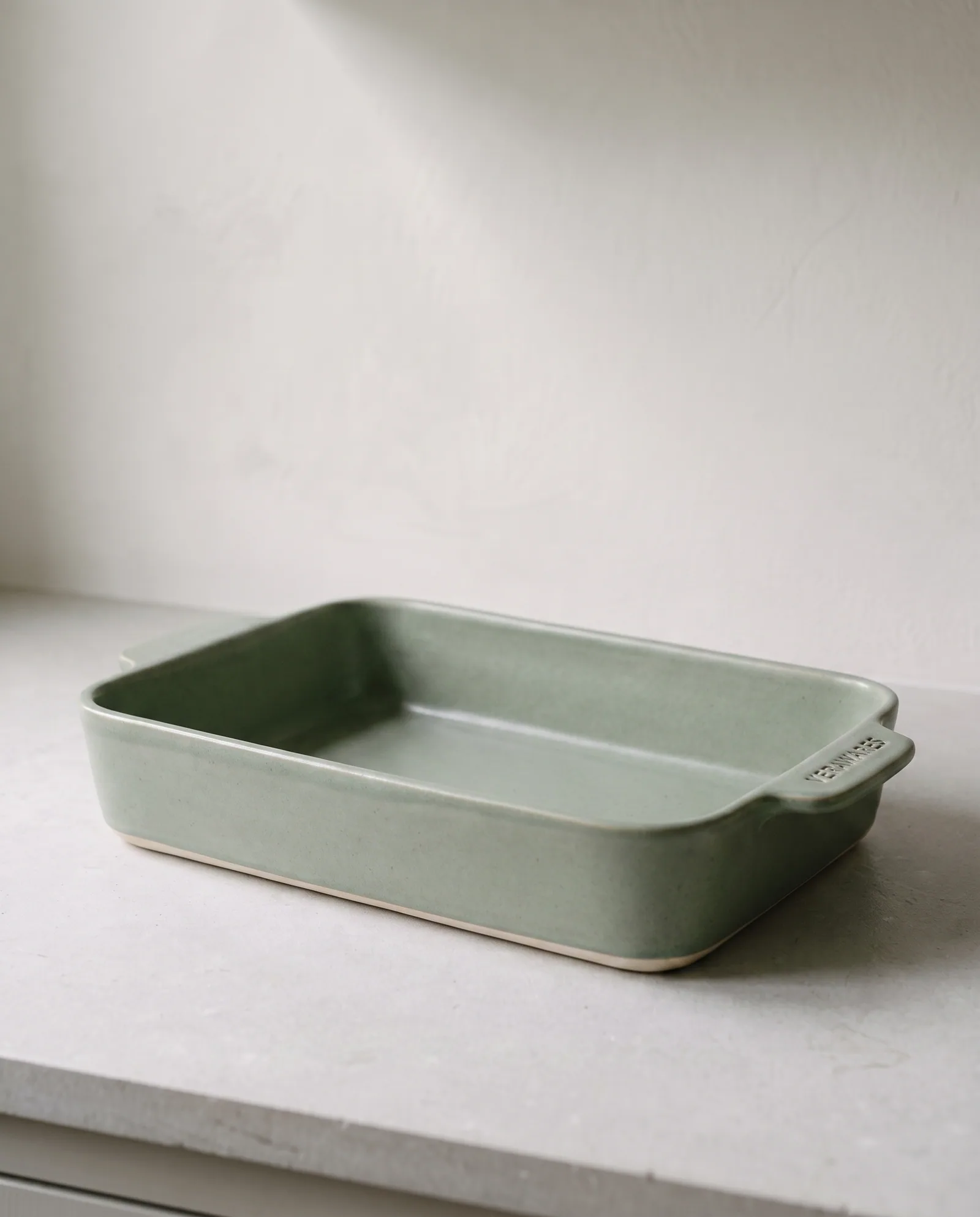
Rectangular Baker
3 litre oven-to-table baking dish, 33 × 22 cm
$58.00
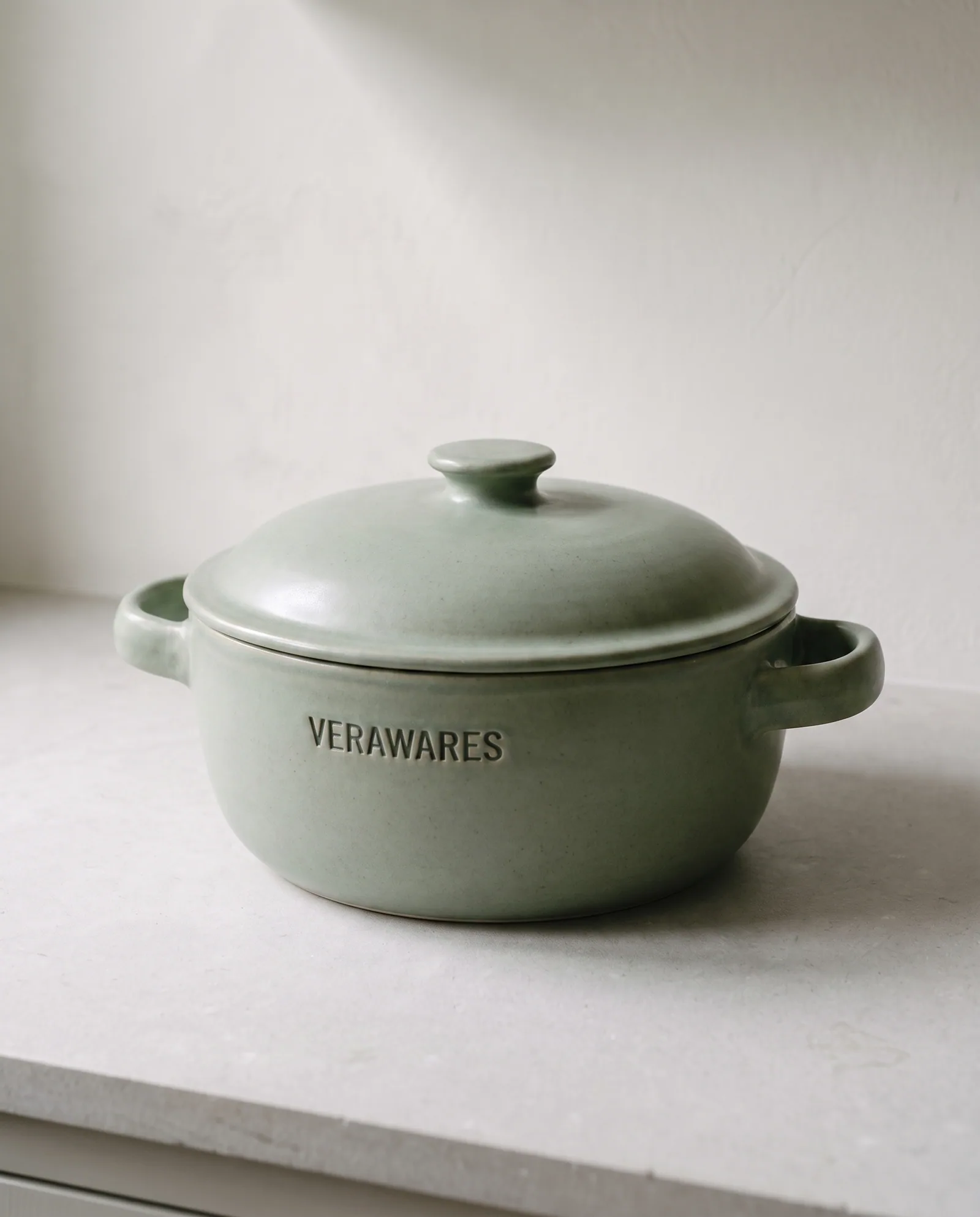
Covered Casserole
3.5 litre lidded casserole for oven and table
$88.00
Seven materials
We work in a narrow range, on purpose.
Seven materials, chosen because they hold up to daily use. Each behaves in a specific way — oak takes on a patina, stainless keeps its edge, linen softens with every wash — and we would rather explain that than pretend otherwise.
How each one behavesStoneware
High-fired in oxidation to 1260°C under a soft sage-green matte glaze, vitrified and non-porous. Holds heat far longer than porcelain; the oven-safe bakeware body takes direct oven heat as well.
Porcelain
Fired higher and thinner than stoneware. Lighter in the hand, whiter in tone, and translucent at the rim when held to the light.
Glass
Hand-blown soda-lime glass. Wall thickness varies by a fraction between pieces; small bubbles are inclusions, not flaws.
Oak
European white oak, finished with a food-safe hardwax oil that can be reapplied at home indefinitely.
Stainless steel
18/10 stainless, forged rather than stamped where the piece takes force. It will not rust, stain or hold odour, and it is dishwasher safe for life.
Linen
European flax, stonewashed before cutting so the finished piece will not shrink further in normal use.
Marble
Honed rather than polished. Porous by nature and sealed where it meets food, so it takes a stain far less readily than raw stone.